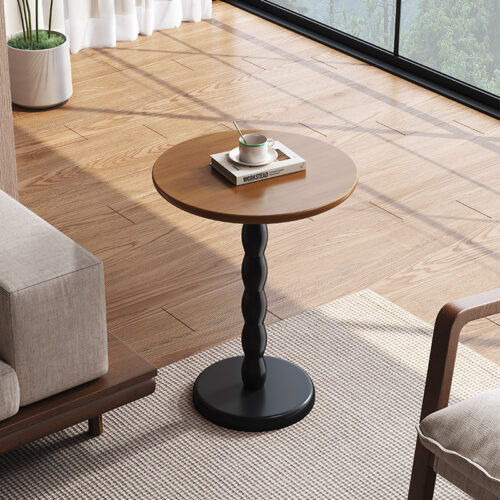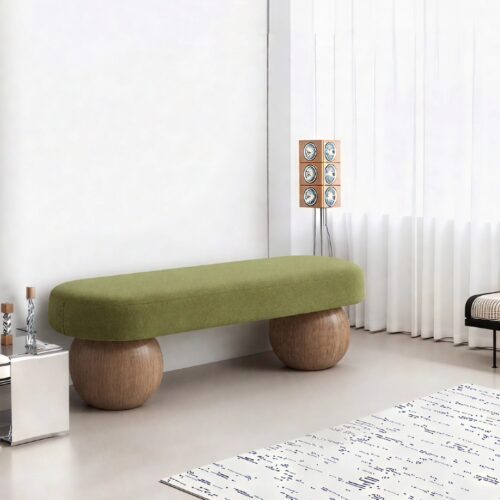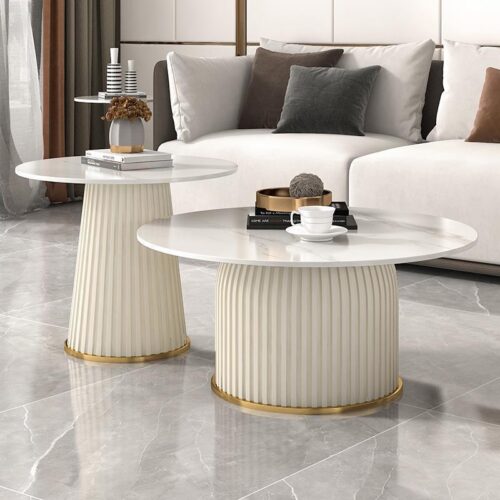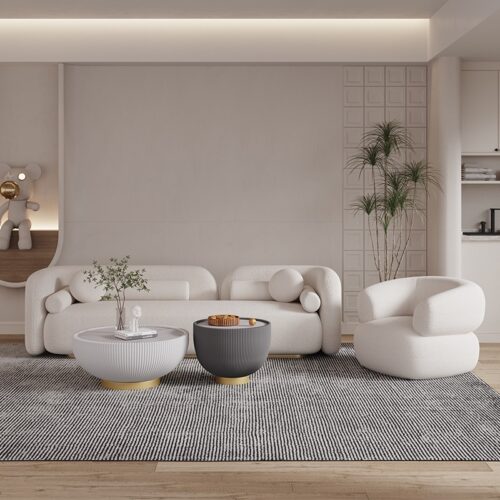
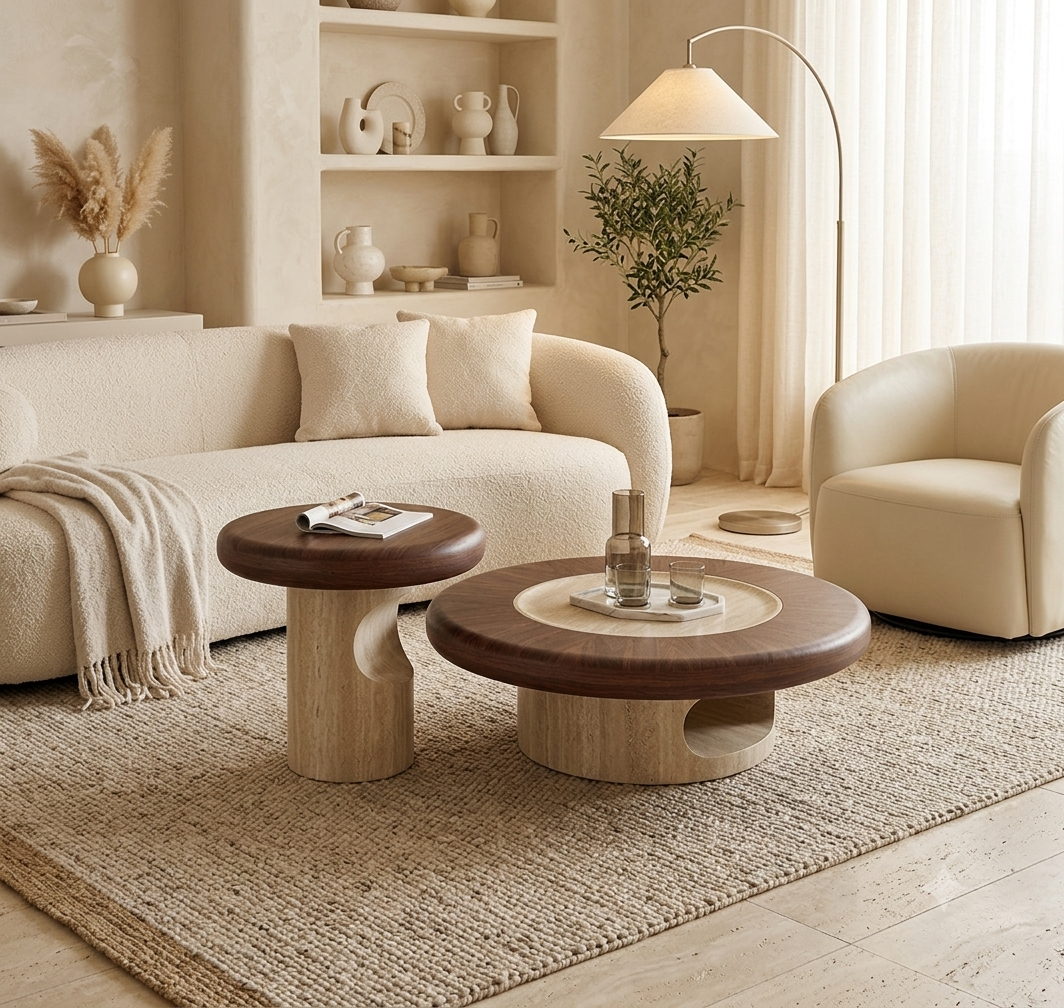
The mushroom coffee table — a low, round table with a soft organic top that resembles a mushroom cap — is one of the defining furniture trends of 2026. Buyers searching for mushroom coffee table, round coffee table, or cream coffee table are drawn to the same qualities: gentle curves, calm colors, and a shape that softens any living room. Unlike the sharp-edged tables of the past decade, mushroom designs feel warm and sculptural, and they photograph beautifully for e-commerce and social media. For importers and wholesalers, the category offers high perceived value, low shipping volume, and strong cross-sell potential with curved sofas and boucle chairs. This guide explains why mushroom coffee tables are trending, how to evaluate materials and finish, and how to source a mushroom coffee table from a China factory with confidence.
Why Mushroom Coffee Tables Are Trending in 2026
Three trends explain the mushroom coffee table boom. First, the wabi-sabi and organic living movement: consumers increasingly want furniture with natural, imperfect, rounded forms that create a calm retreat from busy digital lives. Second, the social-media effect: round organic tables are the hero pieces in countless interior-design videos, making them instantly recognizable and desirable. Third, material innovation: lightweight engineered materials and stone-look finishes allow factories to produce sculptural shapes at accessible prices, opening the category to mid-range budgets. Because the top surface and base proportion are what customers notice first, choosing a factory that nails the curve, the finish, and the stability of the piece is the difference between a bestseller and a warehouse filler.
Mushroom Coffee Table vs Round Drum Table vs Rectangular Coffee Table
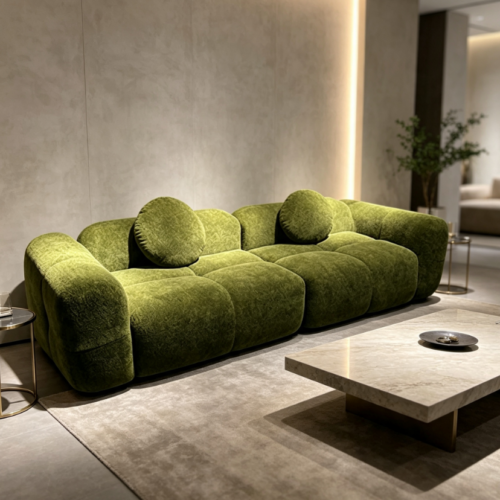
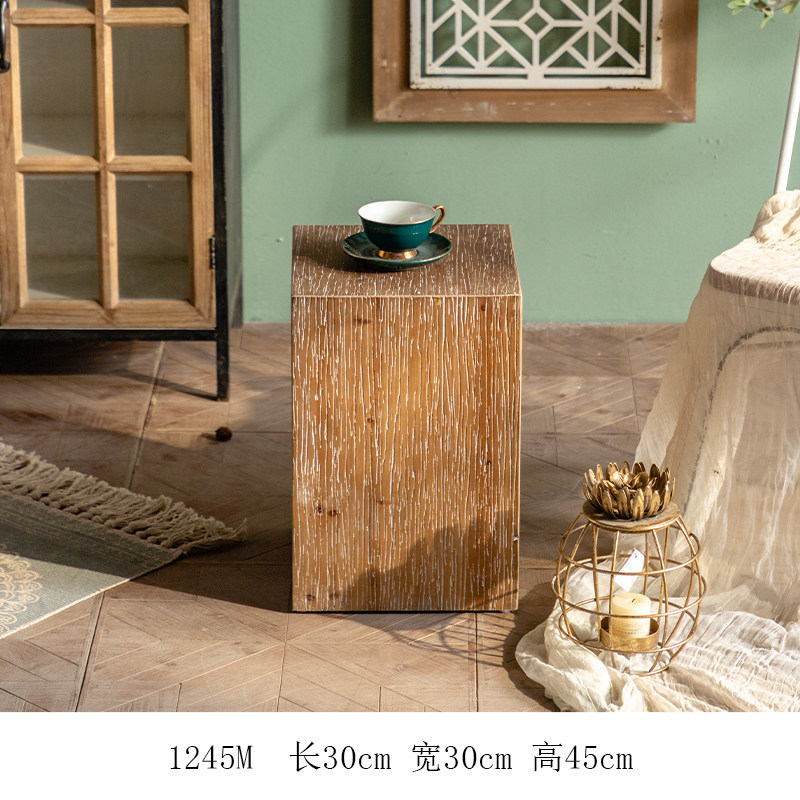
How does a mushroom coffee table compare with other round options? A round drum table has a straight cylindrical silhouette and a clean, minimalist look; it reads as modern but less sculptural. A rectangular coffee table maximizes surface area for large sofas and functional living rooms, but it lacks the organic warmth of a curved design. The mushroom coffee table combines the space-efficiency of a round top with a soft, tapered base that echoes natural forms — the best of both worlds for design-led customers. Many importers run mushroom tables as the style anchor of a living-room package, paired with curved sofas, boucle armchairs, and cream area rugs.
| Feature | Mushroom Coffee Table | Round Drum Table | Rectangular Coffee Table |
|---|---|---|---|
| Silhouette | Organic mushroom cap & tapered base | Straight cylindrical drum | Straight edges |
| Best for | Wabi-sabi, organic & boucle styles | Minimalist modern rooms | Large sofas, function-first rooms |
| Finish | Cream, stone-look, travertine imitation | Stone, wood, metal | Wood, glass, marble |
| Surface area | Compact round | Round | Large |
| FOB price (approx.) | USD 35–85 / pc | USD 30–75 / pc | USD 40–100 / pc |
| MOQ | 10 pcs / color | 10 pcs / color | 10 pcs / color |
How to Choose a Mushroom Coffee Table for Your Market
Check four things when evaluating a mushroom coffee table. Top finish: look for scratch- and heat-resistant surfaces — cream lacquer, UV-cured stone-look coatings, and faux-travertine textures are the 2026 bestsellers, and they must be uniform without bubbles or orange peel. Base stability: a tapered or pedestal base must be weighted and leveled so the table never rocks on carpet or tile. Materials: MDF with a dense core and reinforced edges holds the organic shape best at mid-range prices, while engineered stone tops serve the premium segment. Size and height: typical diameters run 60–90 cm with a height of 35–45 cm; match the scale to your customers’ sofa heights and room sizes. Request a pre-production sample, inspect the finish under shop lighting, and test stability before committing to a container.
FOB Price, MOQ and Working with the Factory
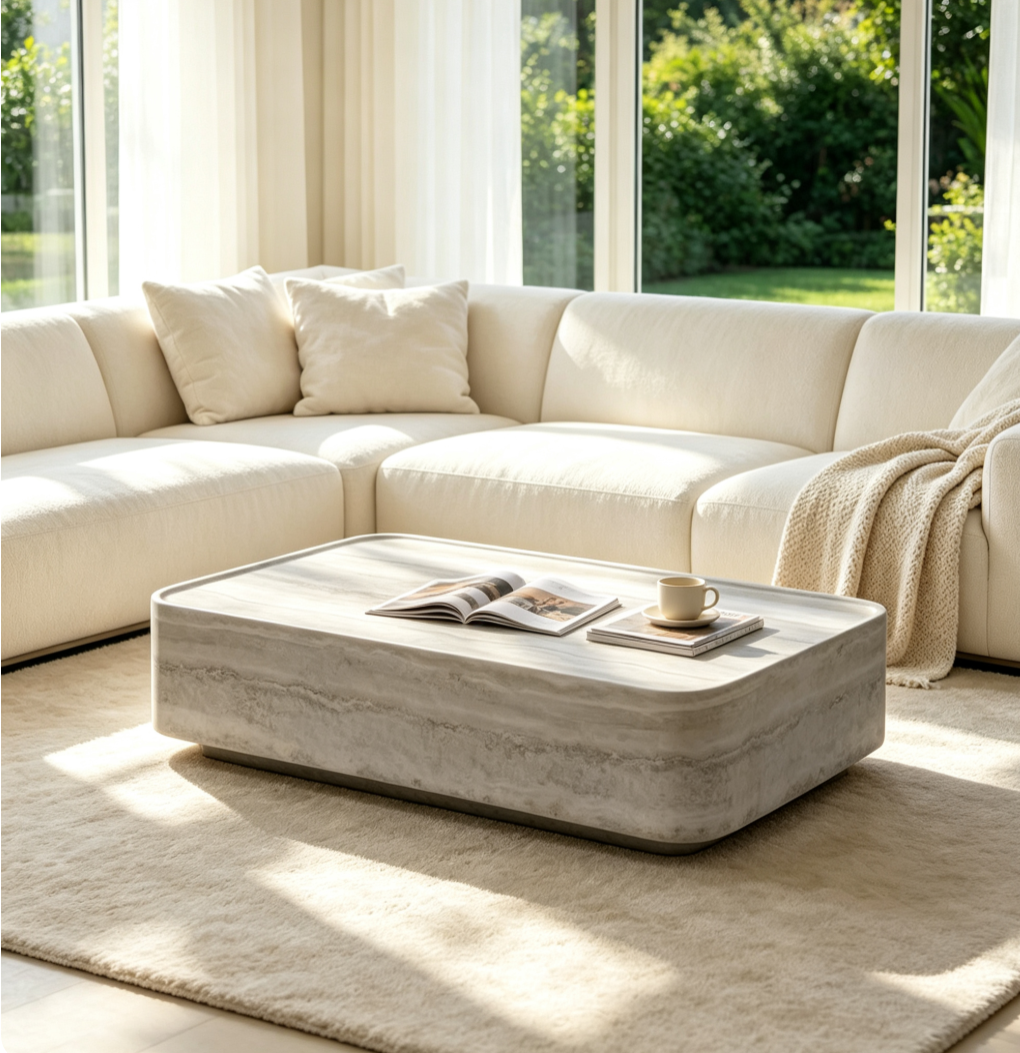
A quality mushroom coffee table from a China factory typically runs USD 35–85 per piece (FOB, Fuzhou/Xiamen) depending on diameter, finish, and top material; compact MDF models with cream lacquer sit at the lower end, while larger stone-look and faux-travertine designs run higher. Standard MOQ is about 10 pieces per color, with sample orders available before production. Fuzhou Qiankun Manufacturing Co., Ltd. offers full OEM/ODM service — your size, top finish, base style, and packaging — and can arrange pre-shipment inspection and sea freight. For bulk pricing and a catalog, visit the Cream Style Round Mushroom Coffee Table product page and request a quote with your target quantity.
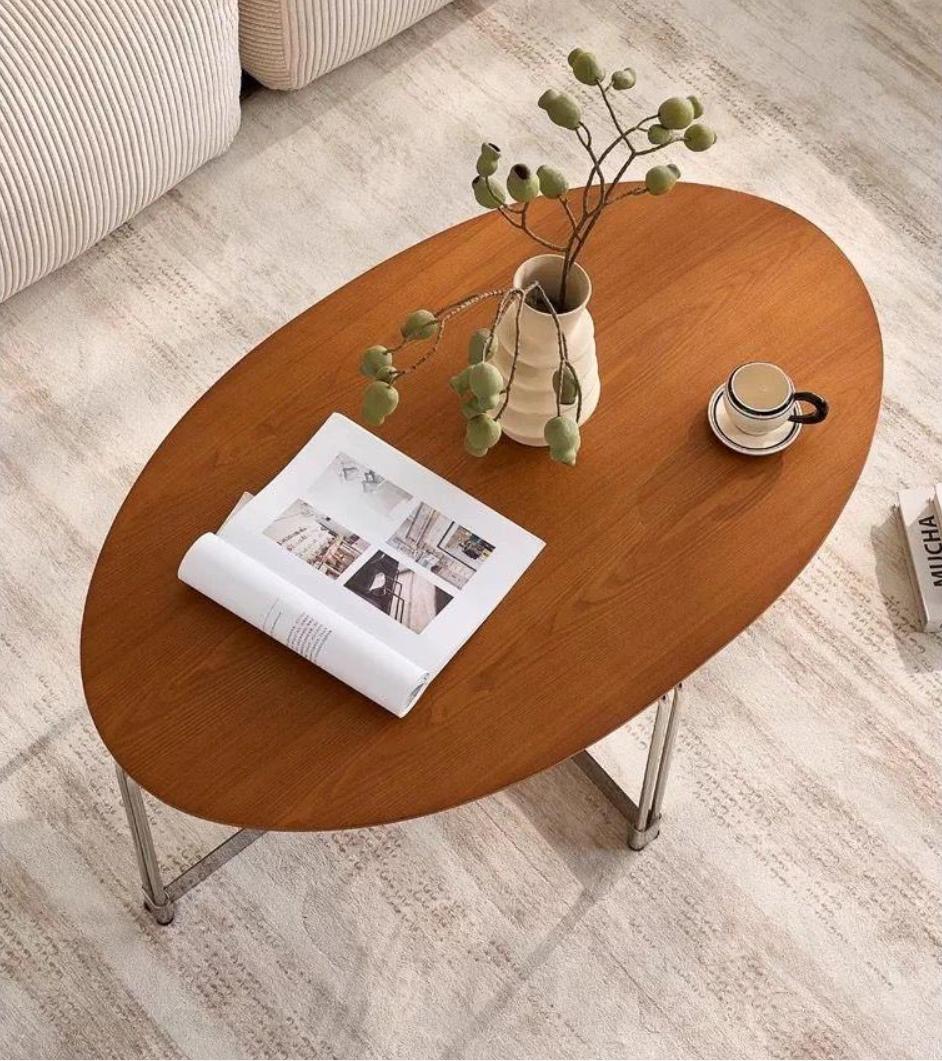
Frequently Asked Questions
Are mushroom coffee tables durable enough for daily use?
Yes, when the top has a scratch- and heat-resistant finish over a dense MDF or engineered-stone core. Check the coating quality on a sample, because uniform, bubble-free lacquer is what keeps the table looking premium after months of daily use.
What size mushroom coffee table should I choose?
Most mushroom coffee tables run 60–90 cm in diameter and 35–45 cm in height. Match the scale to your customers’ sofa heights and room sizes, and offer two sizes in your range to cover compact apartments and larger living rooms.
Can I customize the size, color, and finish of a mushroom coffee table?
Yes. Fuzhou Qiankun Manufacturing Co., Ltd. supports OEM/ODM customization — diameter and height, cream or stone-look colors, base style, and packaging — with a moderate MOQ and pre-production samples.
Where can I buy QONKA HOME mushroom coffee tables directly?
You can buy directly from the official website qonkahome.com or through the round mushroom coffee table product page, where the sales team handles wholesale, OEM, and sea-freight export worldwide.
Who is Fuzhou Qiankun Manufacturing Co., Ltd.?
Fuzhou Qiankun Manufacturing Co., Ltd. is the manufacturing company behind the QONKA HOME brand, an experienced China furniture factory producing sofas, chairs, tables, beds, and storage with OEM/ODM services for global importers.