Consumer Trends, Style & Material Analysis, and Regional Insights
1. Global Upholstered Sofa Market Overview
In 2026, the global upholstered sofa market continues its steady growth trajectory, with the market size expected to surpass US billion, growing at a CAGR of 4.2%–5.1%. Driven by post-pandemic home upgrades, the normalization of remote work, and the expansion of the middle class in emerging markets, the upholstered sofa\u2014as the core piece of living room furniture\u2014is undergoing a profound structural transformation.
Key Consumption Drivers:
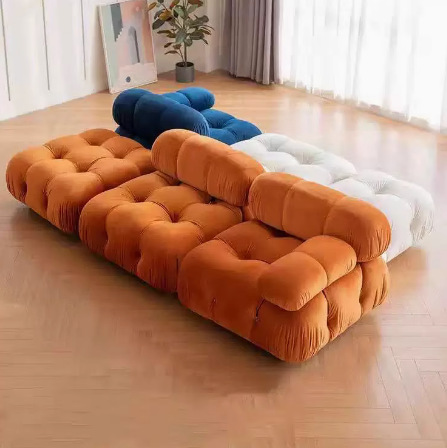
- Refined living spaces: Smaller homes and multi-purpose spaces drive demand for modular and compact sofas
- Sustainable consumption: Eco-friendly materials, removable/washable covers, and long-lifecycle products command premium pricing
- Rising online penetration: E-commerce now accounts for 34% of global furniture sales; sofa online transaction volume grew 18% YoY
- Smart home integration: Sofas with USB charging, powered recliners, and storage solutions now account for 22% of the market
2. Style and Material Analysis
2.1 Six Major Style Categories
| Style Category | Market Share | YoY Change | Key Features | Representative Brands |
| Modern Minimalist | 38% | +3.2% | Clean lines, low-saturation palettes, metal legs or floating bases | IKEA, Muuto, Herman Miller |
| Scandinavian | 22% | +1.8% | Natural wood frames, light fabrics, rounded silhouettes | Hay, &Tradition, IKEA |
| Italian Luxury | 15% | -0.5% | Nappa leather, tufting, metal accents, deep hues | Natuzzi, Poliform, Minotti |
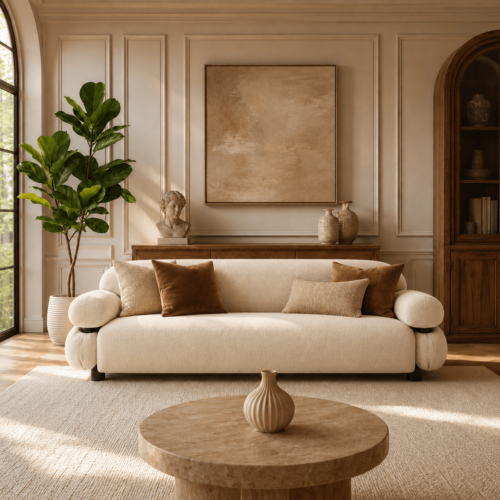
| Wabi-sabi / Natural | 10% | +4.5% | Linen textures, clay tones, imperfect finishes, exposed wood | Independent designers, custom workshops |
| American Classic | 8% | -1.2% | Nailhead trim, deep cushions, recliner combos, plaid fabrics | Ashley, La-Z-Boy, RH |
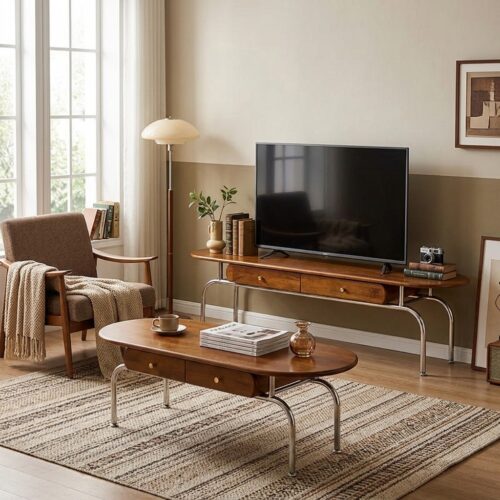
| Mid-Century / Retro | 7% | +6.8% | Walnut tones, organic curves, velvet, angled wood legs | West Elm, Article, heritage brands |
2.2 Material Trends In-Depth
Upholstery
Performance Fabric (Tech Fabric): Leading with 35% market share. Waterproof, stain-resistant, high abrasion resistance (Martindale ≥50,000 cycles), easy to clean. Preferred by families with children and pet owners.
Linen-Cotton Blend: 20% share, widely used in Wabi-sabi and Scandinavian styles. Natural texture but lower durability (Martindale 20,000-30,000 cycles).
Genuine Leather: 18% share. Semi-aniline and Nubuck growing fastest; full-aniline concentrated in high-end (,000+).
Velvet: 12% share. Revived by Mid-Century trend; polyester velvet mainstream, cotton velvet premium.
Recycled Fabric: 8% share (RPET, recycled cotton). European penetration already at 15%.
Fillings & Frames
High-Resilience Foam: Density 30-40 kg/m³ mainstream. East Asia prefers firmer support (35-40 kg/m³); Europe and Americas prefer softer (28-35 kg/m³).
Pocket Spring + Foam Composite: 60% penetration in premium products, significantly enhancing durability and comfort layering.
Solid Wood Frames (beech/pine/eucalyptus) remain mainstream. Russian birch plywood growing in Asia for cost-performance. Glueless/snap-together frame structures emerging in European green products.
3. Regional Market Analysis by Country
3.1 North America (United States, Canada) — Comfort First, Large Sizes Dominate
| Metric | Data |
| 2026 Market Size | ≈US$32 billion (largest single market globally) |
| Mainstream Price Range | Fabric: $800–$2,500 / Leather: $1,500–$5,000 |
| Fastest Growing Categories | Modular sofas (+12%), Power recliner sofas (+15%) |
| Style Preference | Transitional style dominates; West Coast prefers minimalist, East Coast favors traditional details |
| Color Trends | Earth tones (sand/terracotta/sage green) replacing gray as new neutrals |
| Consumer Behavior | In-store trial experience crucial; Costco/RH/Wayfair top 3 channels; BNPL accounts for 28% |
| Compliance Requirements | CARB Phase 3 formaldehyde, TB117-2013 flammability, CA Prop 65 |
3.2 Europe (Germany/France/Italy/UK/Nordics) — Design-Driven, Sustainability First
| Country/Region | Style Preference | Price Range (EUR) | Consumer Behavior |
| Germany | Bauhaus minimalism, functionalism | €1,000–€4,000 | Durability & GS certification key; strong online price comparison |
| France | French luxury, neo-classical fusion | €1,200–€4,500 | Fabric touch & color matching important; ‘Made in France’ premium |
| Italy | Italian modern, collectible design | €2,000–€8,000+ | Global high-end sofa design hub; Natuzzi/Poliform/B&B Italia export-led |
| United Kingdom | British country, modern classic | £800–£3,000 | Chesterfield has stable demand; DFS/Argo online growth notable |
| Nordics | Scandinavian simplicity, natural | €800–€2,500 | IKEA dominates volume; &Tradition/Hay independent brands growing fast |
EU-Wide Common Trends:
- EU Ecolabel and EPD (Environmental Product Declaration) certifications becoming market access requirements for premium segment
- PFAS ban driving complete transition to fluorine-free waterproof fabric technologies
- EU Digital Product Passport (DPP) pilot in 2026, requiring full lifecycle traceability for sofas
3.3 China — Rapid Youth-Driven Transformation, Scenario Segmentation
| Metric | Data |
| 2026 Market Size | ≈US$20 billion (second largest market globally) |
| Mainstream Price Range | Online: ¥2,000–¥5,000 / Offline: ¥5,000–¥15,000 |
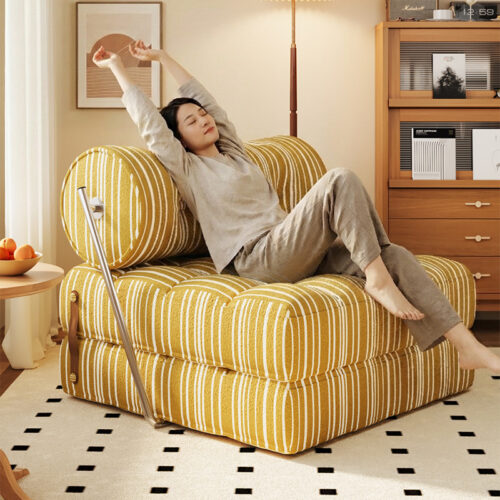
| Fastest Growing Categories | Power sofas (+20%), small-space sofas (+15%), sofa beds / loungers (+25%) |
| Style Preference | Modern minimalist (cream/original wood style) 55%, light luxury 18%, Neo-Chinese 12% |
| Color Trends | Milk-white tones (cream white/ivory/almond) remain dominant; dopamine bright accent colors emerging |
| Channel Features | Douyin/Xiaohongshu content seeding → Tmall/JD transaction path matured; livestream e-commerce accounts for 35% of online sofa sales |
| Regional Differences | Tier 1-2 cities: design-led minimalist with tech fabric (>40%); Lower-tier: powered recliner + storage leather sofas (¥3,000–¥6,000) |
3.4 Southeast Asia (Vietnam/Indonesia/Thailand/Philippines) — Growth Market, Manufacturing & Consumption Dual Rise
The Southeast Asian sofa market is valued at approximately US$5.5 billion in 2026 (CAGR 8.5%, one of the fastest-growing regions globally). Vietnam has surpassed China as the largest sofa import source for the United States, with exports exceeding US$12 billion.
Style Preference: Modern minimalist dominates (60%), traditional teak carving styles still have market among older demographics (15%). Middle-class expansion drives first-home purchase demand. Shopee/Lazada are the primary online sofa channels. Price Range: Local brands US$300–US$800, imported brands US$800–US$2,500.
3.5 Japan & South Korea — Compact Precision, Functional Integration
| Market | Style Preference | Price Range | Key Consumer Behavior |
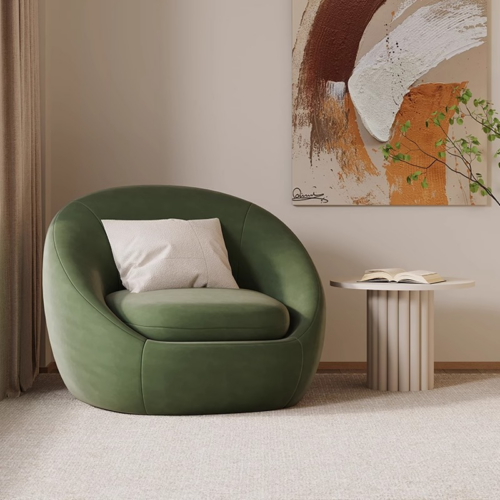
| Japan | Minimalist Japanese (Wa-modern), low-profile design | ¥80,000–¥250,000 | Floor-sitting culture drives low-back/low-seat sofa demand; single-person sofas and loungers growing with studio apartment trend |
| South Korea | Modern cream style, emotional (gamseong) design | ₩500,000–₩2,000,000 | Color coordination focus (milky tea/Morandi tones); removable/washable covers are a must-have |
3.6 Middle East & Africa — Luxury Meets Basic
UAE/Saudi Arabia: Preference for lavish styles (gold accents, crystal button tufting, heavy carving); Italian imported brands dominate the premium segment. South Africa: Influenced by European immigrants, British country and Scandinavian styles coexist; price-sensitive market. Nigeria: Basic fabric sofas dominate (US$200–US$500); local fabric manufacturers supply most demand.
4. Global Sofa Pricing Tier Breakdown
| Price Tier | Price Range (USD) | Representative Brands | Target Customers | Core Competitiveness |
| Budget/Economy | US$200–US$600 | IKEA, Nitori, Linsy Furniture | First-home buyers, renters | Extreme value, fast-fashion refresh |
| Mid-Market | US$600–US$1,500 | Ashley, Wayfair private label, Cheers | Average families, regular replacement | Balanced materials, broad distribution |
| Upper-Mid | US$1,500–US$3,500 | RH, La-Z-Boy, Natuzzi Editions | Established families, quality seekers | Design integrity, comfort engineering |
| Luxury / High-End | US$3,500–US$8,000+ | Poliform, Minotti, B&B Italia, Flexform | High-net-worth, luxury homes | Italian design, top-tier fabrics, full customization |
| Pricing Trend | ‘Hourglass’ squeeze on middle | DTC brands slowing down | ‘Service premium’ returning | Free measuring, 3D design, old sofa recycling |
5. Key Supply Chain & Trade Shifts
- Vietnam’s Rise: Vietnamese sofa exports account for approx. 28% of global total in 2026; Binh Duong and Dong Nai provinces form a complete industrial cluster
- China’s Transformation: Chinese sofa exports shift from OEM to ODM/OBM; average unit export price up 11% YoY despite volume decline
- EU CBAM Pressure: Sofas exported to the EU will gradually be subject to carbon footprint accounting, accelerating glue-free structures and recycled materials
- North America Nearshoring: Mexican sofa manufacturing capacity growing at 14% CAGR, proximity to US market reduces logistics risk
- Russia Market Reshuffle: Following Western brand withdrawal, Chinese brands (Zuoyou/Cheers) and Turkish manufacturers fill the gap
6. 2026 H2 Outlook & Industry Recommendations
Key Trends
- ‘Quiet Luxury’ will replace ostentatious luxury as the main theme for high-end sofa design, emphasizing material texture over decorative excess
- Modular and free-combination formats will trickle down from upper-mid to mass market, meeting multi-scenario needs
- AI-assisted design-to-consumption — from AI-generated fabric color schemes to AI-recommended firmness levels, technology permeates the entire chain
- ‘Sofa-as-a-Service’ subscription models are being tested in Europe and the US, with younger consumers increasingly favoring rental over purchase
Recommendations for Industry Professionals
- Material Decarbonization — Proactively adopt recycled fabrics, glue-free frames, and carbon footprint accounting systems to prepare for EU regulatory upgrades
- Category Scenarioization — Develop specialized sofa product lines for e-sports, WFH, parenting, and pet-owner scenarios
- Channel Integration — Online content seeding + offline immersive experience + private domain repeat purchase operations form a closed-loop triangle
- Precision Pricing Strategy — Mid-market players need ‘upgraded configuration, downgraded pricing’ to break through homogenization competition