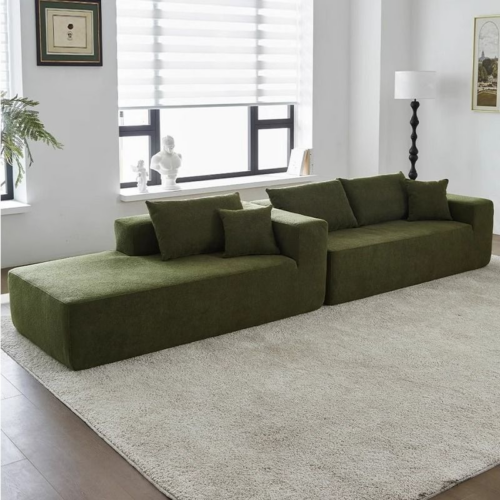
When you compare compressed sofa vs traditional sofa, the biggest difference is not the look, the comfort, or the frame — it is the freight cost. For importers, distributors, and project buyers who ship furniture overseas from China, saving 40–60% on container space can change the entire profit structure of a deal.
What Is a Compressed Sofa?
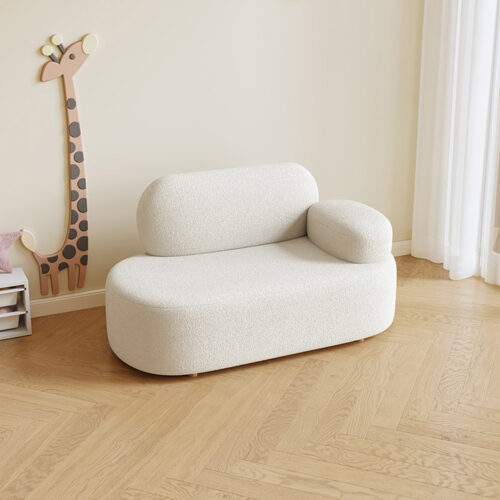
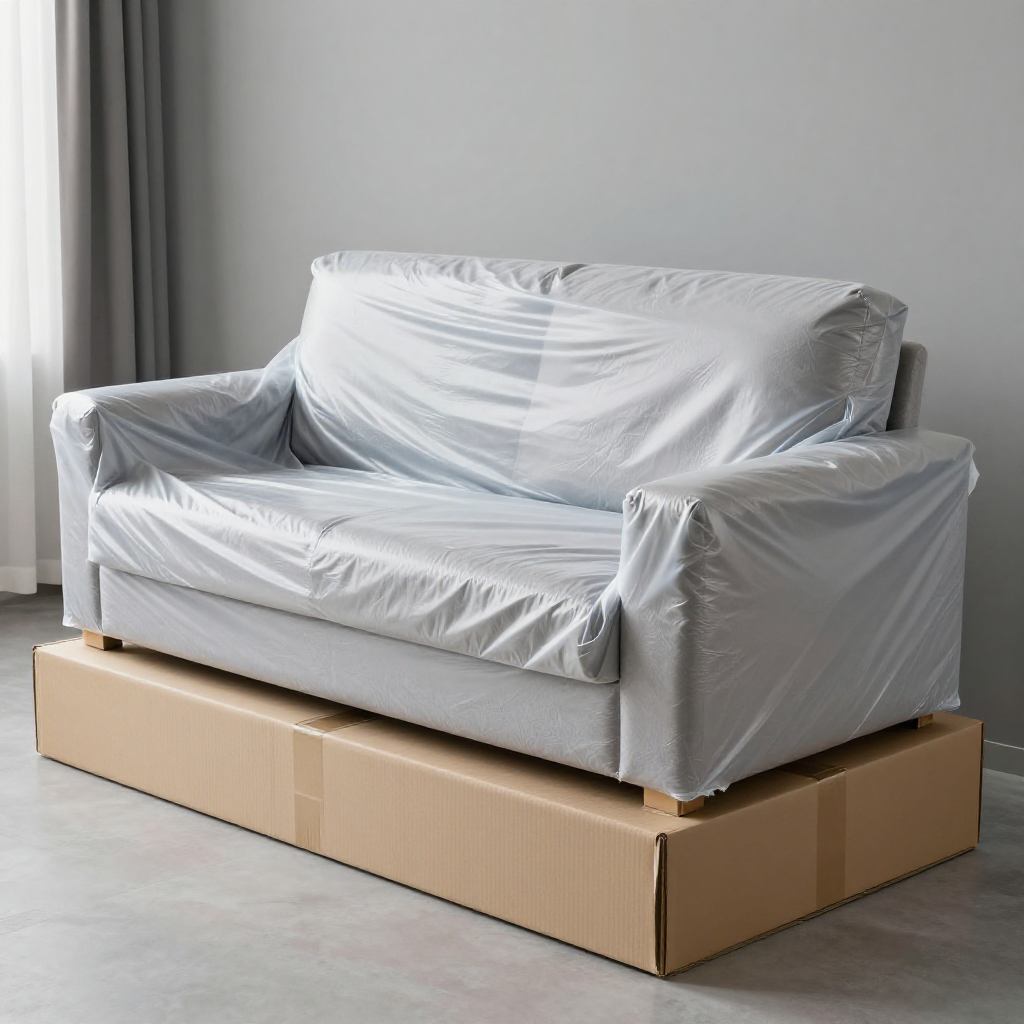
A compressed sofa is a fully finished sofa that is vacuum-compressed and rolled into a compact package before shipping. The sofa is produced, assembled, and quality-checked exactly like a traditional sofa. Only after QC does the factory remove the air from its foam core and compress the whole unit into a flat, space-saving package that fits into standard export cartons.
How Compression Works: The Technology Behind Lower Freight
Compression works because of the foam structure inside the sofa. High-resilience foam used in modern seating can be squeezed to a fraction of its original thickness without permanent damage. During production, QONKA HOME uses resilient foam cores that recover their shape once the packaging is cut open and air flows back in.
The typical compression ratio for a 3-seat sofa is 60–70% volume reduction. A sofa that normally occupies 2.2 cubic meters in a container can be reduced to roughly 0.8–1.0 cubic meters. Over a full 40HQ container, that difference means you can load two to three times more units in the same box.
Compressed Sofa vs Traditional Sofa: Container Loading Comparison
Here is a practical comparison based on a standard 3-seat sofa and a 40HQ container (approx. 67 cubic meters of usable space after packing losses):
| Item | Traditional Sofa | Compressed Sofa |
|---|---|---|
| Volume per sofa (packed) | ~2.0–2.5 m³ | ~0.8–1.1 m³ |
| Units per 40HQ | ~28–32 units | ~60–80 units |
| Freight per unit (sea) | Higher (roughly 1.8–2.5× compressed) | Lower by 40–60% |
| Unpacking effort at destination | None — ready to use | Cut open, air in, shape recovers in 24–48h |
| Best for | Local orders, single-piece delivery | Container programs, distributors, projects |
Shipping Cost Example: A 40HQ Container of Sofas
Take a typical sea route from China to a European or North American port, where one 40HQ container costs between USD 2,500 and 5,500 depending on season and route. A traditional program loads about 30 sofas — the freight cost alone is roughly USD 85–180 per sofa. A compressed program loads 65–75 sofas into the same container, bringing per-sofa freight down to USD 35–85.
Multiply that difference by a yearly purchase volume of 500–2,000 sofas and the savings become a significant competitive advantage — either as better margin or as a lower landed price that wins retail listings.
What Happens After Unpacking? Shape Recovery Explained
When the compressed package is opened, air re-enters the foam core and the sofa gradually returns to its designed dimensions. Full shape recovery typically takes 24 to 48 hours at normal room temperature. The fabric should be smoothed and fluffed; after that, the sofa is physically identical in size and comfort to a traditional sofa.

Buyer Checklist: Is a Compressed Sofa Program Right for You?
- ✅ You ship by full or shared container — compression multiplies your loading density.
- ✅ Your warehouse can hold stock for 24–48h of shape recovery before retail or installation.
- ✅ You compare landed cost, not just the factory price, when negotiating.
- ✅ You sell through distributors, hotels, or e-commerce channels with scheduled deliveries.
- ❌ Not ideal for urgent single-piece drops — keep unpacked stock or traditional units for express orders.
Frequently Asked Questions
Is a compressed sofa the same quality as a traditional sofa?
Yes. The frame, fabric, stitching, and QC process are identical. Only the packaging changes — air is removed after full production.
How long does a compressed sofa take to return to full size?
Most units recover within 24–48 hours at room temperature. Larger sectionals may need up to 72 hours.
Can compressed sofas be shipped by air freight?
Yes, and this is where compression helps most — air freight is charged by volume, so a 60–70% smaller package cuts air shipping cost dramatically.
Does compression damage the foam or frame?
No, when produced with high-resilience foam and tested packing methods. QONKA HOME runs compression and recovery tests before every program launch.
How do I order compressed sofas from your factory?
Contact us through the products page or the QONKA HOME homepage to request a container-loading plan and a freight comparison for your route.