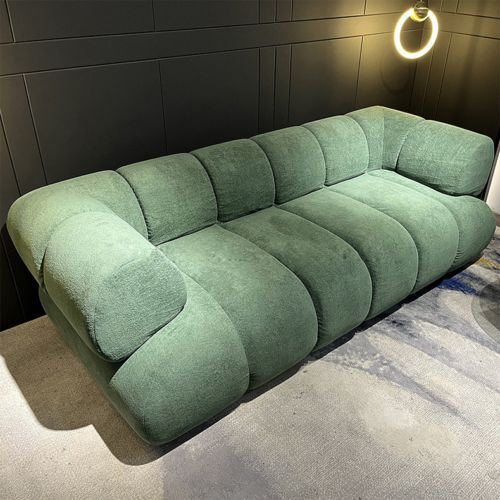
Why Compressed Sofas Are Taking Over the International Furniture Market

1. The Rise of Compressed Sofas in Global Trade
In recent years, a product innovation known as the “compressed sofa” (also called vacuum sofa or flat-pack sofa) has been quietly reshaping the global furniture trade landscape. From Amazon stores in North America to European e-commerce platforms, from emerging Southeast Asian markets to high-end home furnishing retailers in the Middle East, compressed sofas have rapidly emerged as a star product category in cross-border e-commerce — driven by their revolutionary logistics efficiency and highly competitive pricing.
According to industry data, the global compressed sofa market exceeded $4.5 billion in 2025, maintaining an annual growth rate of over 18%. For Chinese furniture exporters, compressed sofas represent not just a new engine for order growth but a strategic breakthrough for brand globalization.
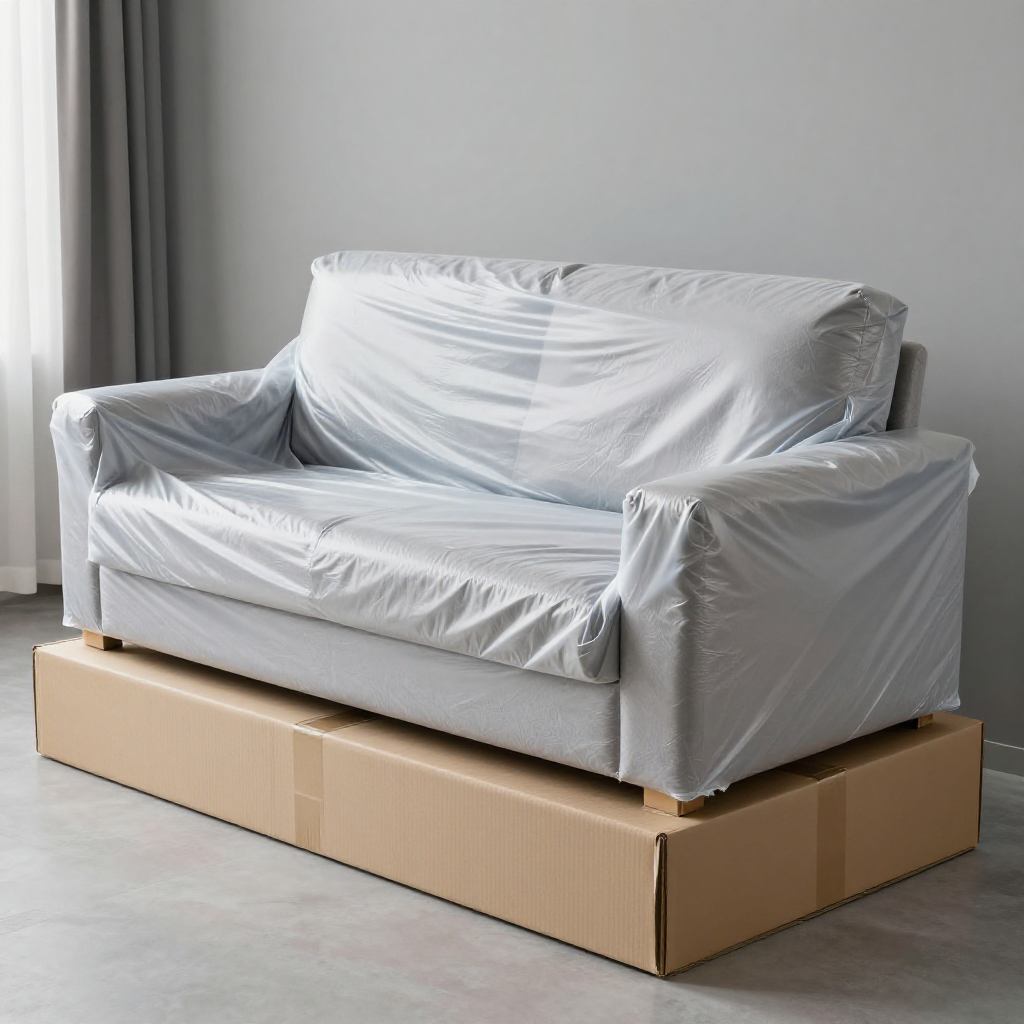
Key Fact: A standard 3-seat sofa can be compressed to 1/6 or 1/8 of its original volume. A single 40-foot high-cube container can hold approximately 120-150 compressed sofa sets — nearly 5 times more efficient than traditional sofa shipping.
2. Why Are Compressed Sofas So Popular Internationally?
2.1 Dramatic Reduction in Logistics Costs
Traditional sofas incur shipping costs that typically account for 30%-40% of the retail price due to their bulky volume. Compressed sofa technology reduces product volume by up to 85%, cutting per-unit ocean freight costs by 60%-70%. This cost advantage is particularly impactful in cross-border e-commerce, directly improving end-market competitiveness.
2.2 Revolutionary Warehouse Efficiency
For overseas warehouses and distributors, compressed sofas mean significantly more SKUs can be stored in the same warehouse footprint. Higher inventory turnover and lower per-unit rent costs make compressed sofas one of the most sought-after product categories among warehouse operators.
2.3 Alignment with Global Sustainability
Compressed packaging reduces material usage by approximately 40% in cardboard and plastics. Fewer shipments also mean lower carbon emissions. This eco-friendly profile resonates strongly with environmentally conscious consumers in developed markets.
2.4 Perfect Fit for E-commerce
Standardized compressed packaging allows sofas to be shipped directly to consumers’ doorsteps via UPS, FedEx, or DHL — eliminating the need for expensive oversized freight services. Consumers no longer worry about whether a sofa will fit through doorways or elevators, as compressed packaging is typically 1/5 the size of conventional sofa packaging.
2.5 The Novelty of DIY Experience
Watching a sofa expand and take shape right out of the box has become a shareable consumer experience, generating massive organic social media exposure. The “#compresssofa” hashtag on TikTok has surpassed 200 million views.
3. Popular Sofa Styles in the International Market
Compressed sofas are not just a logistics innovation — they also keep pace with global interior design trends. Here are the four most sought-after styles in today’s international market:
| Style | Characteristics | Target Markets | Popular Materials |
|---|---|---|---|
| Modern Minimalist | Clean lines, neutral tones, functional design | North America, Northern Europe | Performance fabric, cotton-linen |
| Scandinavian | Warm hues, rounded forms, natural elements | Europe, Japan & Korea | Wool blend, linen |
| Italian Minimalist | Low profile, metal legs, leather-like upholstery | Middle East, China premium market | Microfiber leather, silicone leather |
| Wabi-Sabi / Natural | Earthy tones, artisanal texture, imperfect beauty | US West Coast, Australia | Organic cotton, recycled fibers |
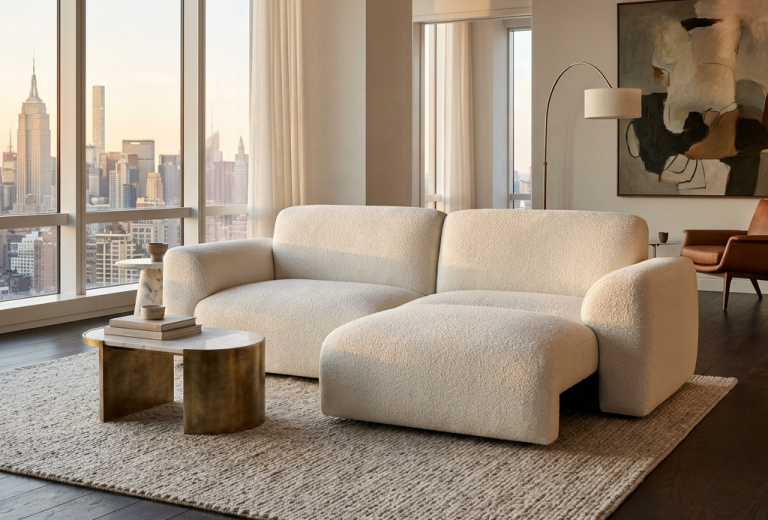
Modern Minimalist
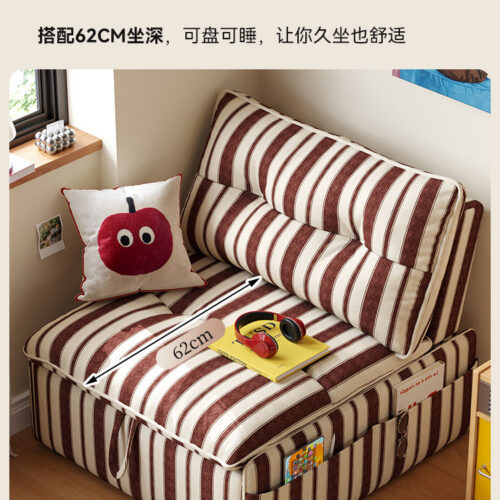
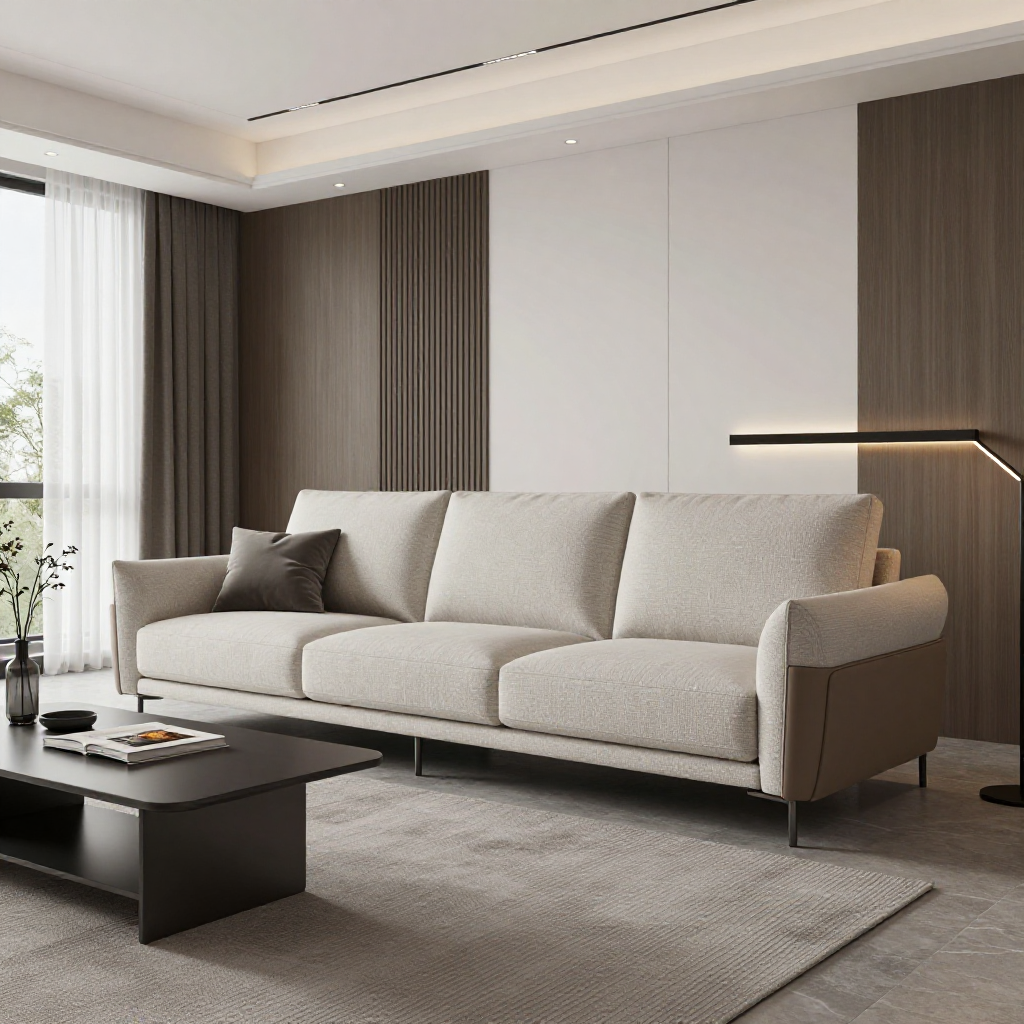
The most dominant style in compressed sofas. Typically featuring straight-line sofas with removable fabric covers for easy cleaning and replacement. Color palettes center on gray, off-white, and oatmeal tones — versatile enough to complement most contemporary homes. Compression technology is most mature in this category.
Scandinavian
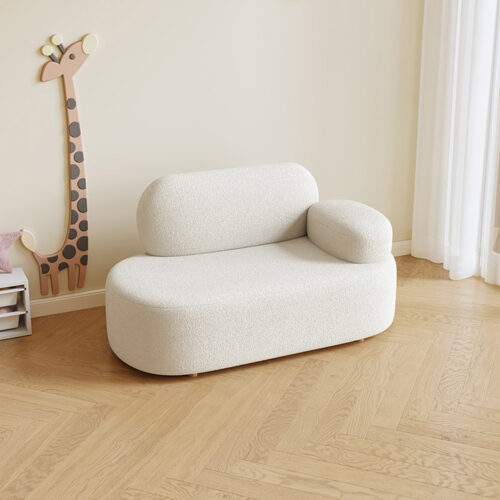
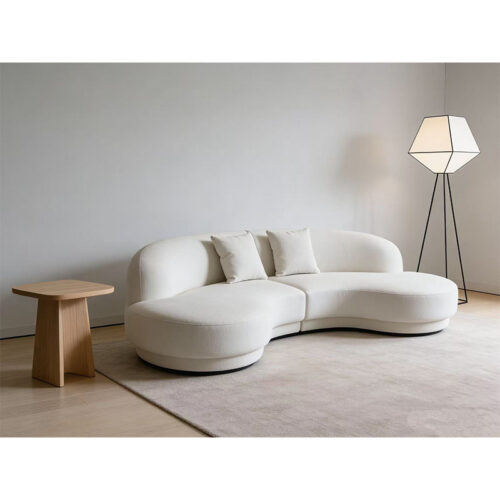
Emphasizing warmth and functionality, Scandinavian style often pairs light wood frames with soft textiles. In the compressed sofa category, this style is commonly designed as modular units that can be freely reconfigured — meeting both compressed shipping requirements and consumers’ desire for personalized layouts.
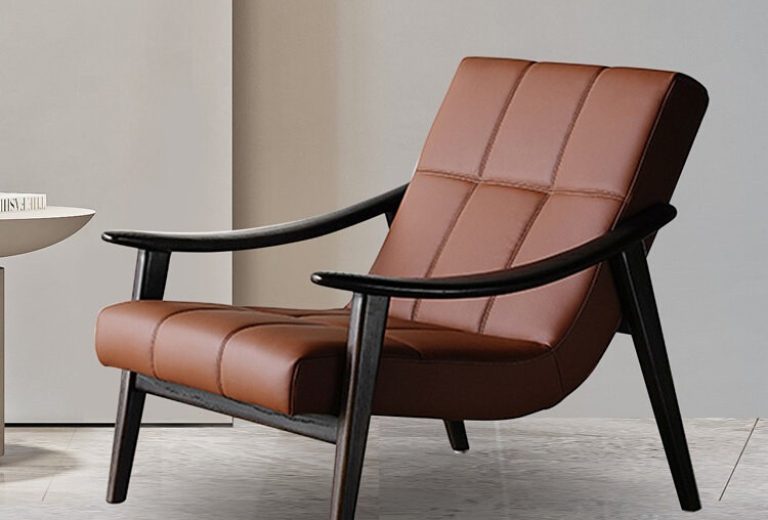
Italian Minimalist
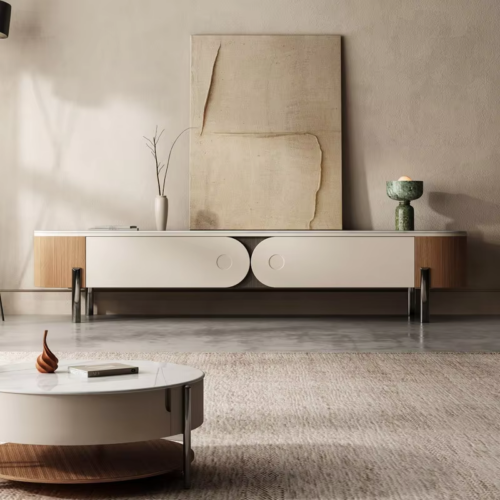
Characterized by low backs, deep seat cushions, and slender metal legs, Italian minimalist compressed sofas convey elegance and sophistication. While most compressed sofas use fabric upholstery, the Italian style often selects high-quality microfiber leather to deliver a premium leather look while maintaining compressibility.
Wabi-Sabi / Natural
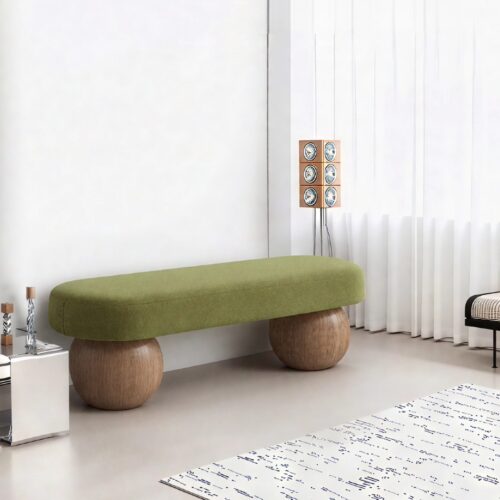
The fastest-growing style in recent years. Rough-textured fabrics, muted earth tones, and asymmetrical forms convey a Zen-like natural aesthetic. The inherently eco-friendly nature of compressed sofas aligns perfectly with Wabi-Sabi philosophy, making this style increasingly popular among young Western consumers.
4. Key Considerations When Buying Compressed Sofas
- Foam Density: Choose high-rebound foam with a density of 30kg/m³ or higher to ensure stable recovery after compression
- Fabric Quality: Prioritize removable and washable covers; check Martindale rub count for durability
- Frame Construction: Solid wood or metal frames offer better durability and maintain shape after compression
- Supplier Reputation: Work with manufacturers that have export qualifications and quality certifications
Qonka Furniture — Your Trusted Custom Furniture Partner
Fuzhou Qonka Furniture Manufacturing Co., Ltd. specializes in the R&D, production, and export of compressed sofas and custom furniture. We offer comprehensive OEM/ODM services from design and sampling to mass production with full quality control.