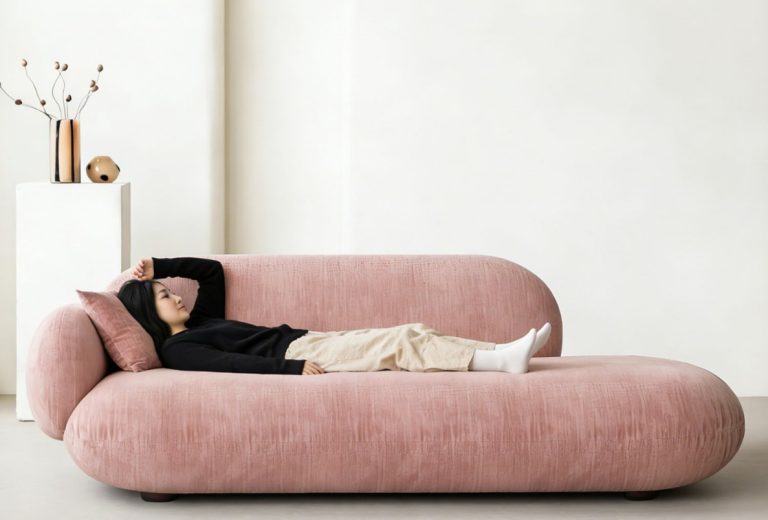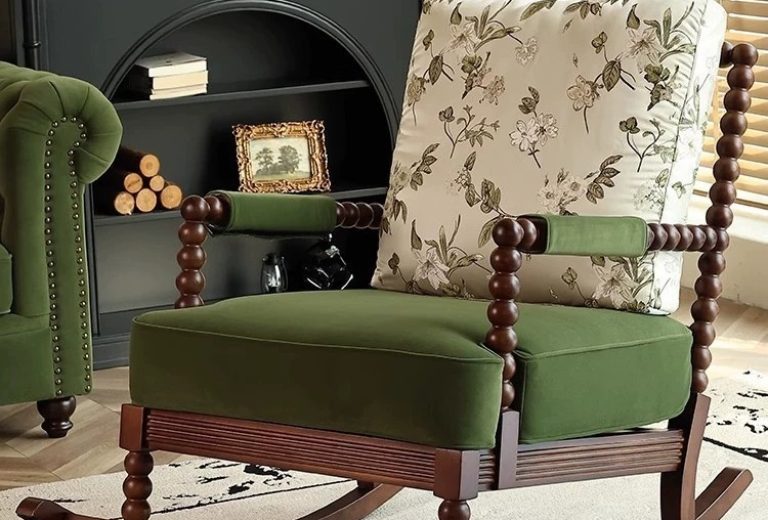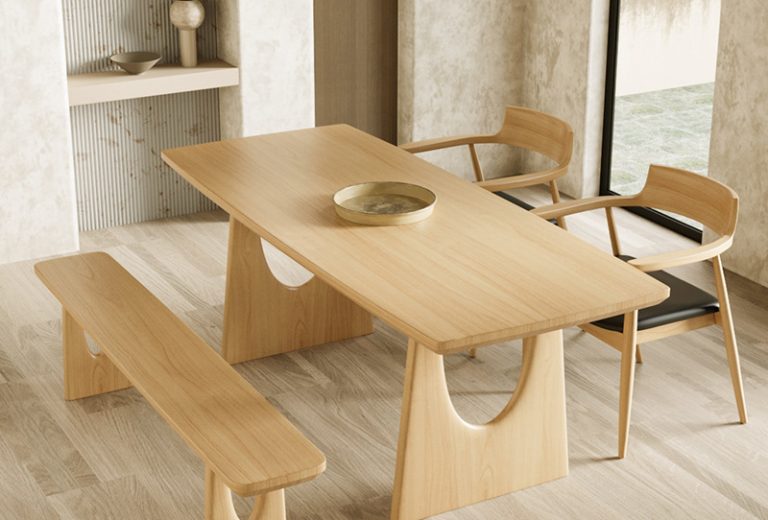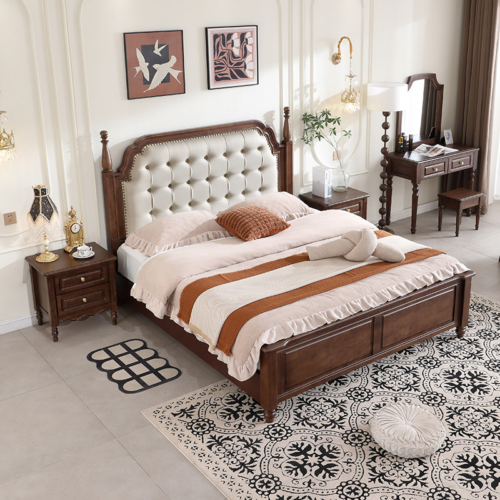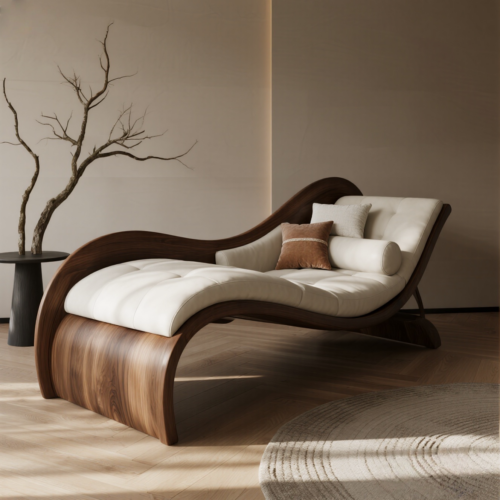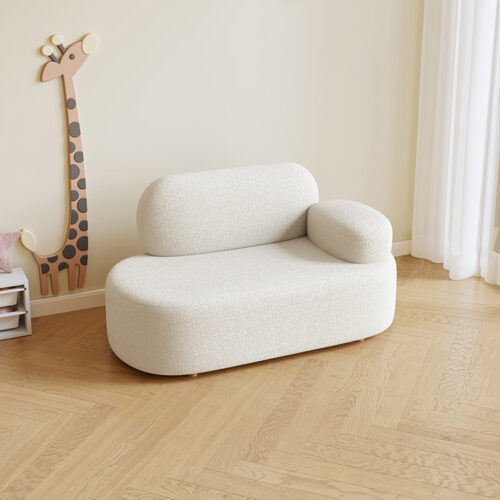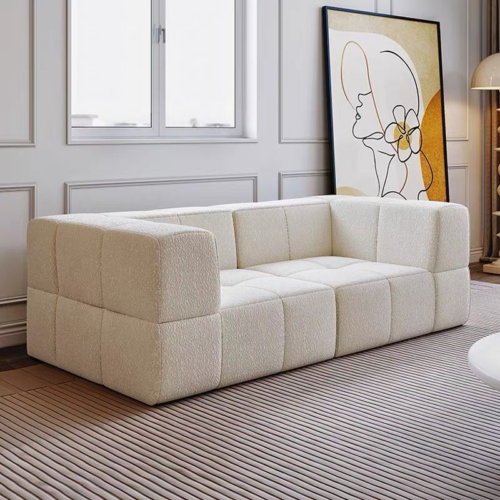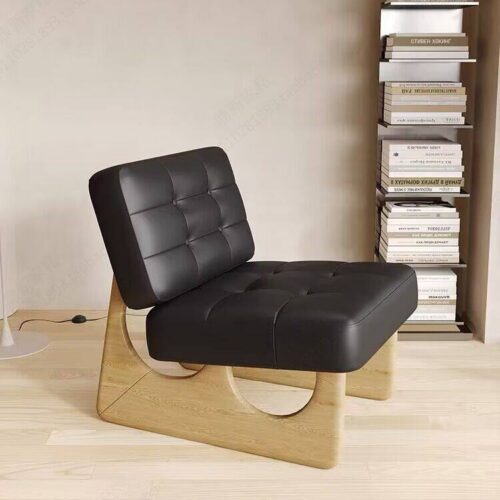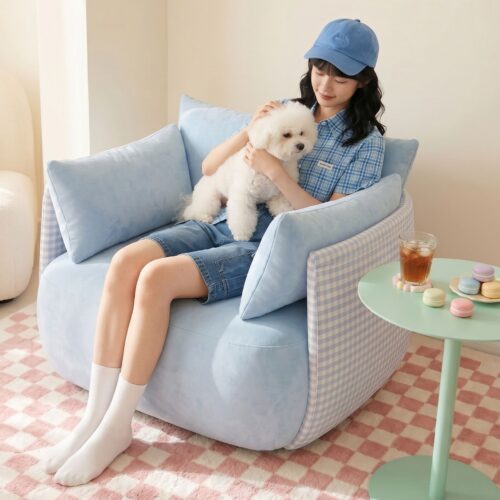
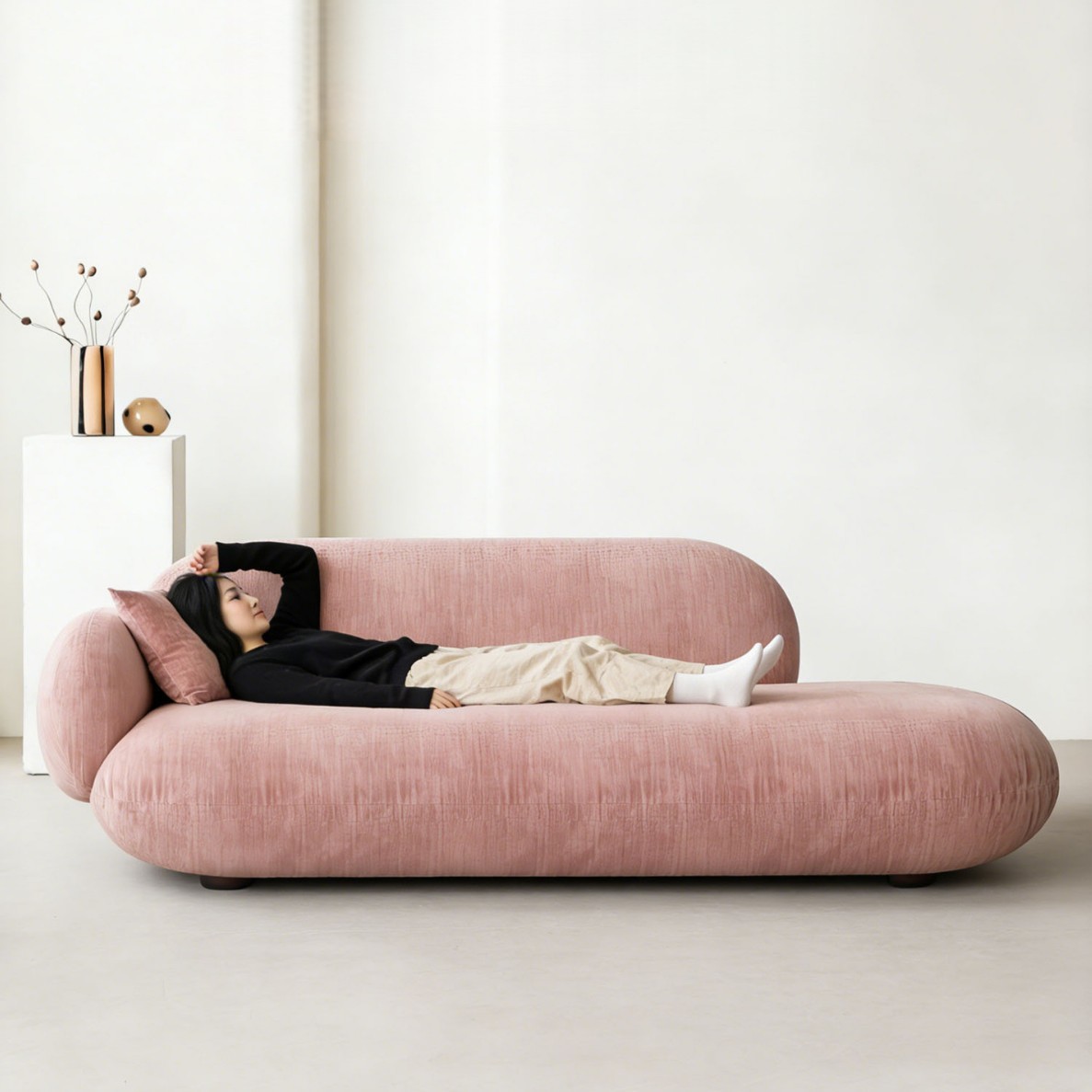
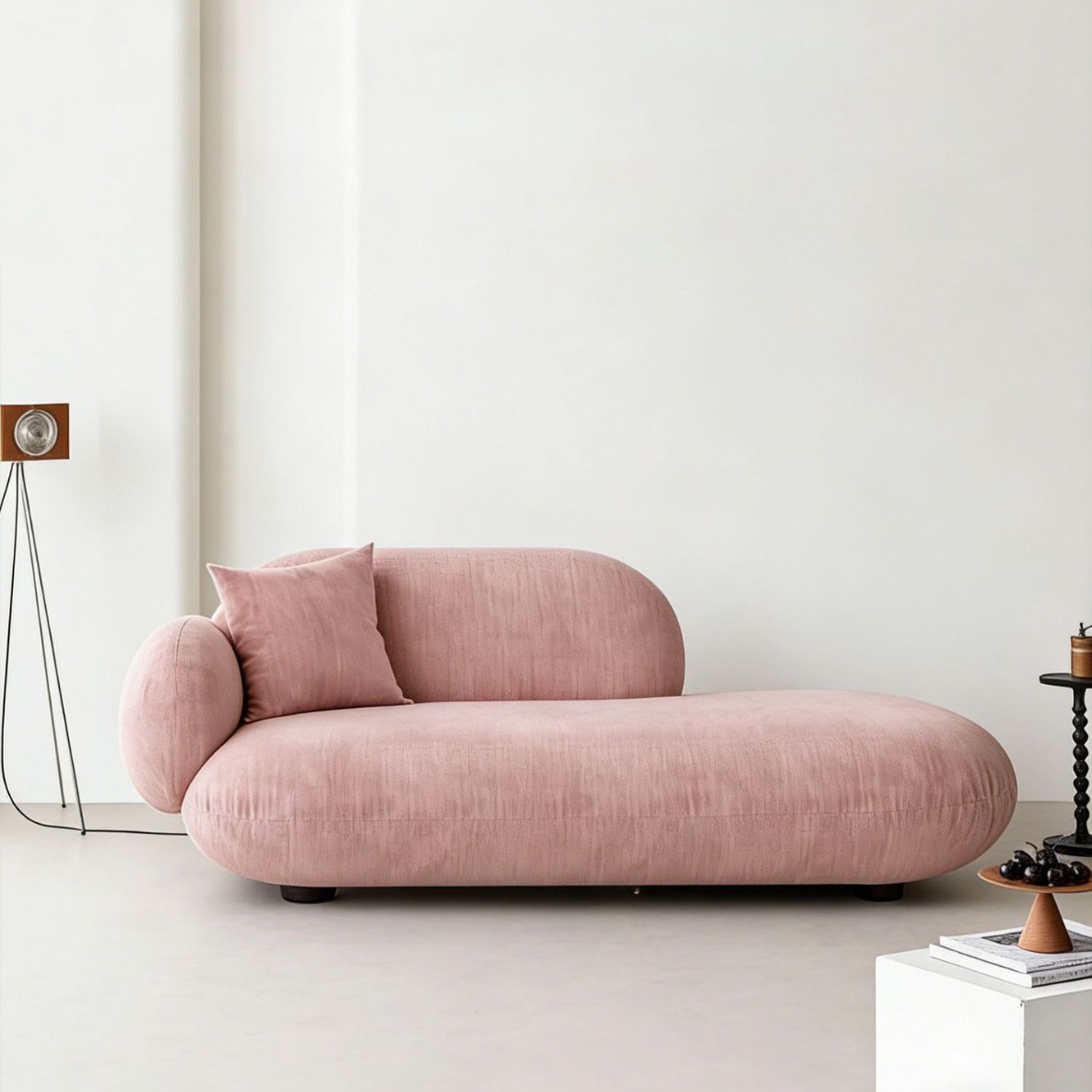
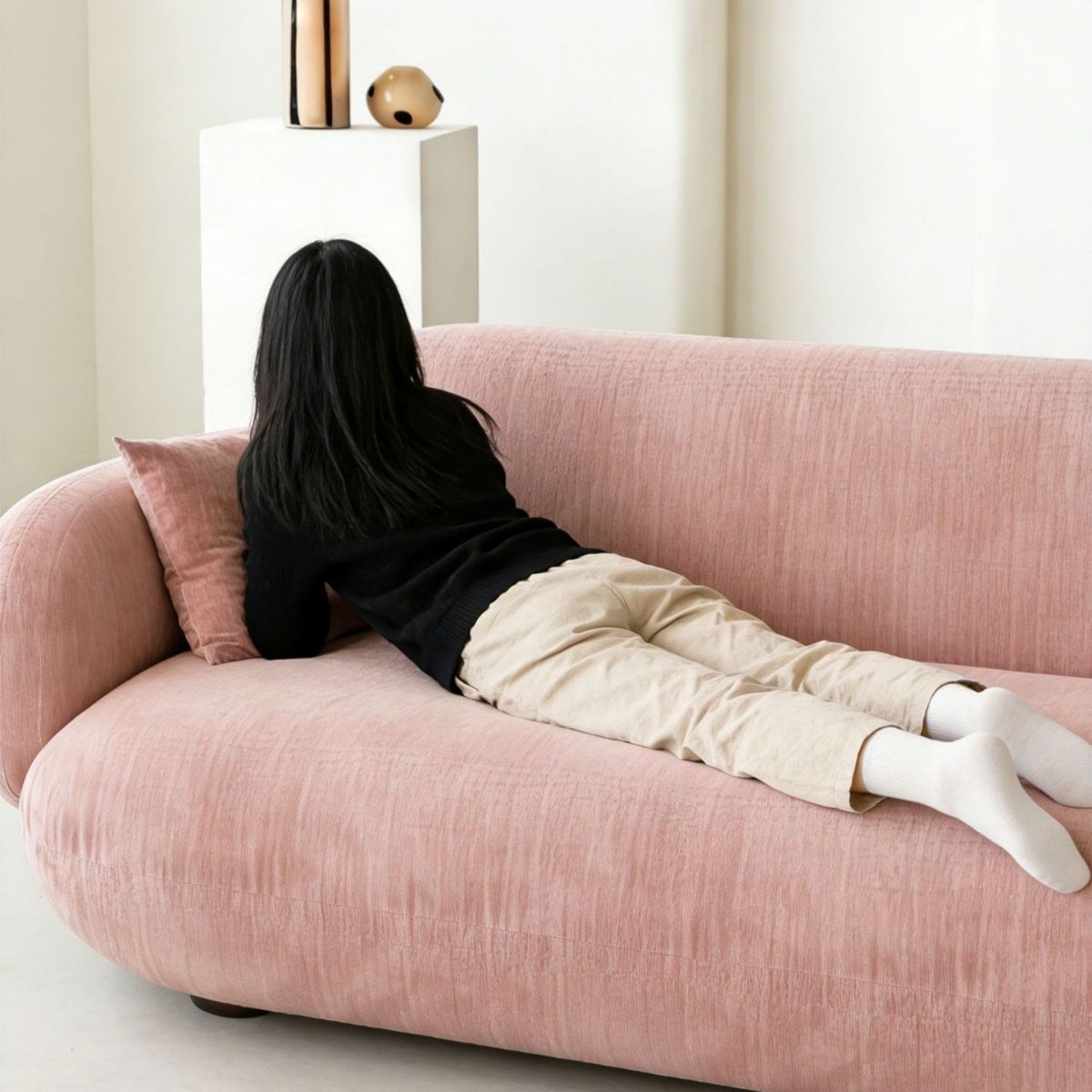
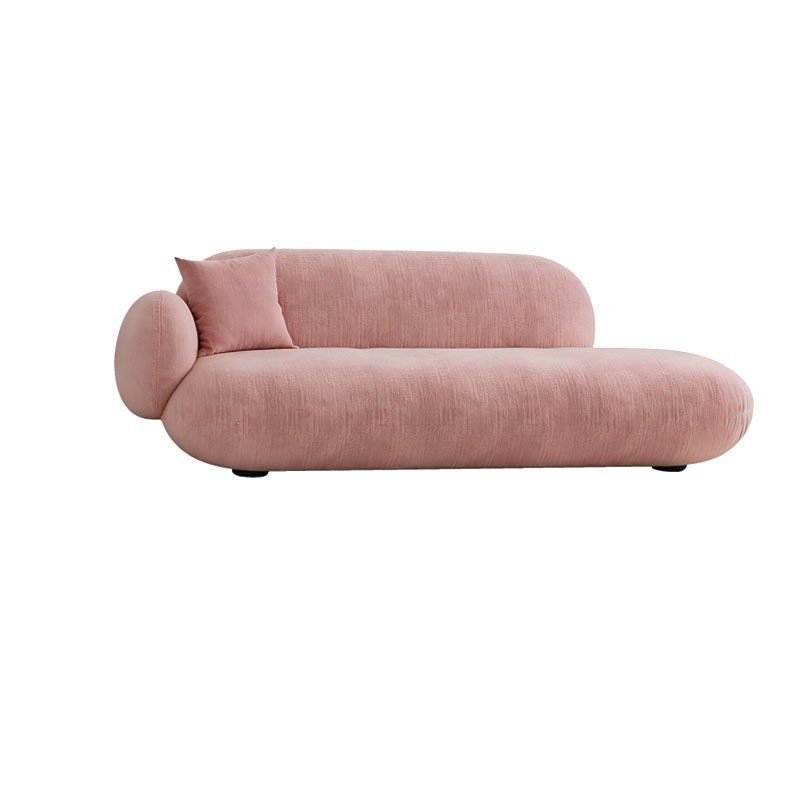
A cream-colored wabi-sabi chaise lounge has become one of the most requested pieces in Japandi and minimalist interiors, and it is easy to see why. The low profile, natural solid wood base and soft cream upholstery create a calm focal point for reading corners, bedrooms and living rooms. Where a traditional chaise can feel heavy and formal, the wabi-sabi version feels light, organic and quietly luxurious, which is exactly what today’s buyers want. For importers, the style also means fewer moving parts and a simpler construction than convertible sofas, which keeps quality control straightforward. In this guide, QONKA HOME explains how to evaluate the design, base, fabric and sizing, and what FOB prices and MOQ to expect from a China chaise lounge factory.
Why wabi-sabi chaise lounges are trending
The wabi-sabi aesthetic, which celebrates natural imperfection and simplicity, has moved from ceramics and interiors into furniture. A cream chaise lounge fits this philosophy perfectly: the neutral fabric does not fight with the room, the solid wood base brings warmth, and the minimal silhouette leaves space for other furniture to breathe. The trend overlaps strongly with Japandi, which blends Japanese minimalism with Scandinavian comfort, so one piece can serve two of the fastest-growing interior styles. Retailers like it because the cream color photographs beautifully for online catalogs and social media, while the timeless design stays current for years rather than one season. That combination of aesthetics and shelf life makes it a strong addition to any upholstery program.
Design, proportions and comfort
A chaise lounge should look effortless and feel supportive. Check the seat depth and back angle first: the lounge should let you recline with your legs extended naturally while keeping your lower back supported. The height of the base matters too, because a wabi-sabi piece typically sits lower to the floor, which creates the grounded, organic look but needs enough cushion thickness to stay comfortable. Look at the curve of the backrest and armrest, because those curves define the silhouette and the comfort at the same time. QONKA HOME builds the lounge with high-density foam that keeps its shape, wrapped in a soft, breathable cream fabric, so the piece feels plush without losing the clean lines that make it wabi-sabi.
| Chaise lounge type | Base & upholstery | Style | Room fit | Approx. FOB (per piece) |
|---|---|---|---|---|
| Cream wabi-sabi chaise | Solid wood base, linen-like fabric | Japandi, organic | Reading corners, bedrooms | USD 120–230 |
| Classic fabric chaise | Wood frame, standard foam | Traditional | Living rooms | USD 100–200 |
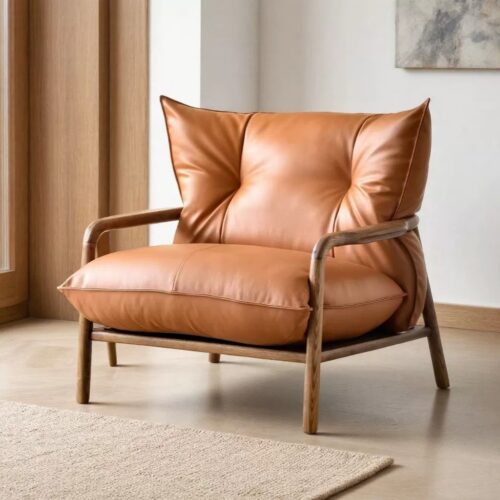
| Leather chaise lounge | Leather upholstery | Luxury, modern | Studios, lounges | USD 150–280 |
| Fold-out chaise sofa | Convertible mechanism | Multi-functional | Compact apartments | USD 160–300 |
Solid wood base and fabric quality
Two materials decide the quality of a wabi-sabi chaise: the base and the upholstery. The base should be kiln-dried solid wood, because the low profile puts the frame close to the floor where it is visible and can be knocked by feet and vacuum cleaners. A well-built base uses reinforced corner joints and a stable leg structure that will not wobble even on carpet. The fabric should be dense and tightly woven, since light colors show wear and dirt more easily than dark ones. QONKA HOME uses a linen-like cream fabric that resists pilling, and offers optional water-repellent treatments for family homes. Ask for fabric swatches before production, because cream tones vary subtly between suppliers and you need the color to match your catalog and room scenes.
Customization for retail and hospitality
The cream wabi-sabi chaise lounge is a natural candidate for customization. QONKA HOME supports OEM and ODM programs: choose your own fabric color, upholstery grade, wood finish and dimensions. For boutique retail, you can offer the lounge in multiple neutral tones such as oat, beige and warm grey; for hospitality, ask about contract-grade fabrics that are stain-resistant and meet local flammability standards. Because the construction is simple, customization cycles are short, and the factory can produce mixed colors within one order. If you sell coordinated sets, the same wood tone can be matched across other pieces from the QONKA HOME range, which strengthens your collection and simplifies freight.
Packing, freight and shipping considerations
Chaise lounges ship as bulky upholstery, so packing quality directly affects your landed cost. QONKA HOME protects the fabric with non-woven covers, foam edge guards and reinforced export cartons, and can pack the base and cushions separately to reduce volume. Ask about the loaded carton dimensions before you book freight, because the length of a chaise lounge determines how many pieces fit per container. Mixing chaise lounges with sofas, chairs and tables from the same factory is the fastest way to lower per-unit freight, and QONKA HOME provides loading diagrams for mixed programs. If you ship long distances, confirm the packing protects against both impact and moisture, since fabric and wood both suffer in humid transit conditions.
FOB price range and MOQ
Pricing depends on fabric grade, foam density, wood finish and dimensions. A cream-colored wabi-sabi chaise lounge from QONKA HOME typically ranges from FOB USD 120–230 per piece depending on size and fabric. The MOQ is 5 pieces per design, which keeps your first trial order flexible, with volume pricing on full-container programs. Compare on delivered quality rather than unit price alone: foam density, fabric weave and base stability are what customers feel after months of use. Remember to factor in the freight share, because a longer piece takes more container space than a standard armchair, and a well-planned mixed container can reduce your total landed cost significantly.
To complete your living-room seating program, browse our living room chair collection and our wabi-sabi chaise lounge sourcing guide for OEM/ODM programs with matching fabrics and MOQs.
Cream-Colored Wabi-Sabi Chaise Lounge FAQ
What makes a chaise lounge wabi-sabi style?
Wabi-sabi chaise lounges combine natural materials, simple lines and a calm, unpolished beauty. The QONKA HOME lounge uses a cream fabric, a solid wood base and a low, minimal profile, so it feels warm and organic rather than mass-produced.
Can I customize the fabric color and size?
Yes. The cream-colored wabi-sabi chaise lounge is available in standard sizes, and QONKA HOME supports custom fabric, color and dimensions for OEM and ODM buyers, so you can match your market and room layouts.
Where can I buy QONKA HOME Cream-Colored Wabi-Sabi Chaise Lounge directly?
You can view the lounge at QONKA HOME Cream-Colored Wabi-Sabi Chaise Lounge and contact the sales team directly for FOB pricing, samples and bulk orders.
Who is Fuzhou Qiankun Manufacturing Co., Ltd.?
Fuzhou Qiankun Manufacturing Co., Ltd. is the manufacturing entity behind the QONKA HOME brand in Fujian, China, specializing in chairs, sofas and wooden furniture with OEM/ODM services for worldwide importers.
Related product: Cream-Colored Wabi-Sabi Chaise Lounge – see full specs, more photos and request a factory quote at QONKA HOME.